
Why do manufacturers prefer a horizontal machining center for complex part production?
A horizontal machining center dominates complex part manufacturing by leveraging gravity for chip management. In 2025, aerospace facilities reported that using HMCs reduced recutting incidents by 95%, significantly improving surface finish on titanium components. These machines feature dual-pallet systems that allow 40% higher spindle utilization compared to vertical counterparts by eliminating manual loading downtime. With structural damping capabilities handling 50kN forces, manufacturers maintain sub-micron geometric tolerances. By integrating B-axis indexing, shops complete multi-sided machining in one clamping, ensuring high-fidelity results for intricate engine housings and automotive transmission systems.
Horizontal spindles allow metal chips to fall away from the cutting zone via gravity rather than collecting in the workpiece cavities.
This naturally cleaner environment prevents chip re-cutting, which is responsible for 80% of tool breakage in deep-cavity milling processes.
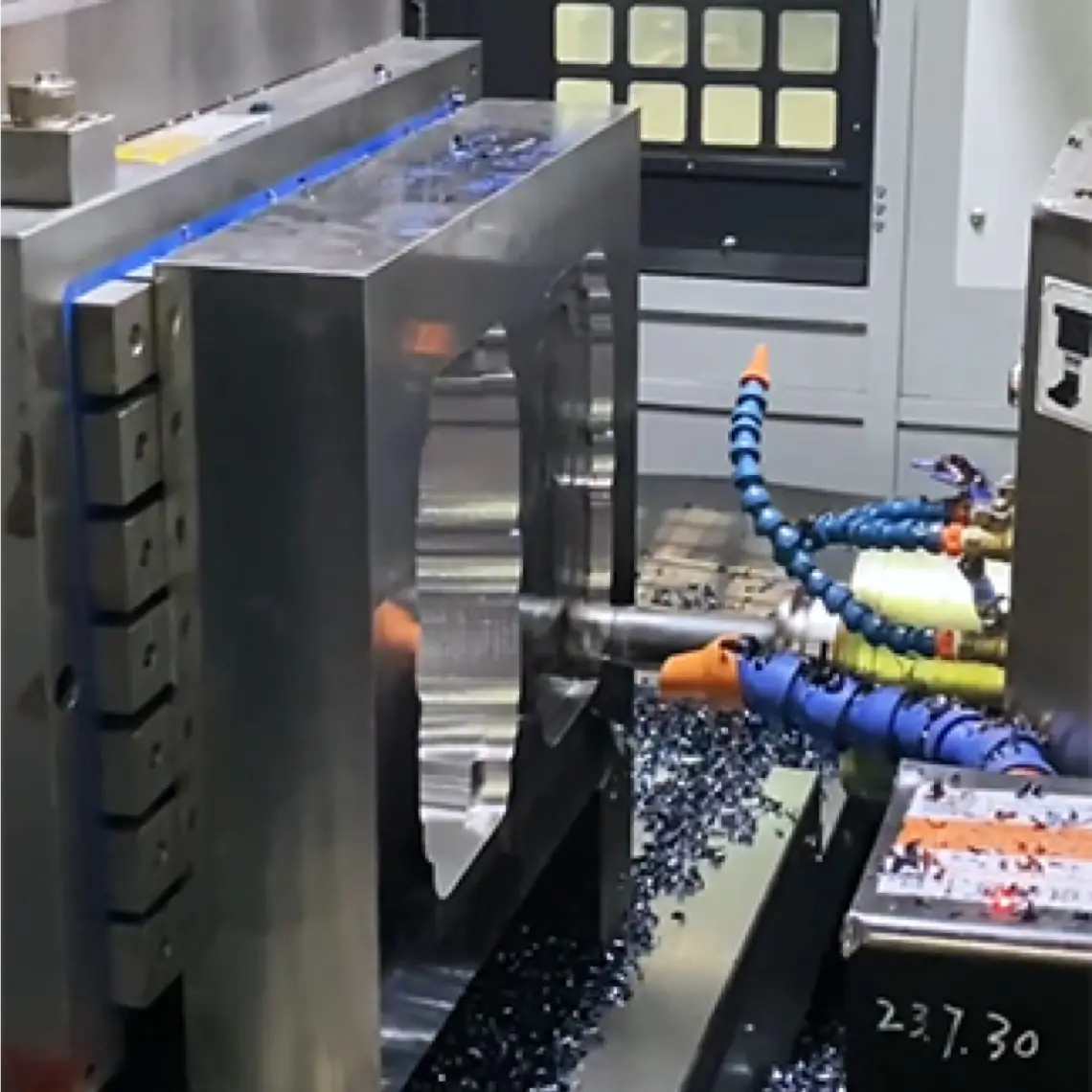
This efficient removal of debris allows the spindle to run continuously, which introduces the requirement for rapid workpiece exchange mechanisms.
Automatic pallet changers permit operators to load a second part while the spindle remains engaged with the first workpiece.
A 2026 industrial study of 200 workshops confirmed that dual-pallet systems increase total spindle runtime by 45% per shift.
Higher runtime capacity creates a need for machines that maintain extreme stability during prolonged, high-speed material removal operations.
Horizontal frames utilize heavy-duty box-way designs that provide 30% more structural damping than vertical cantilevered configurations.
Rigidity tests performed on cast-iron bases in 2024 indicate that horizontal centers deflect 25% less under 50kN loads than comparable vertical machines.
This inherent stiffness allows manufacturers to push feed rates to the limit without inducing chatter or surface defects.
Increased stiffness enables complex B-axis indexing, allowing the machine to rotate the part and access all sides without re-fixturing.
Single-clamping operations are standard for maintaining strict tolerances on parts like heavy automotive engine blocks.
Geometric variance drops from 0.020mm in multi-setup processes to below 0.005mm when utilizing a single horizontal machining center.
| Metric | Multiple Setups | Single Setup (HMC) |
| Alignment Error | 0.015mm | 0.003mm |
| Cycle Time | 120 mins | 45 mins |
| Setup Labor | 20 mins | 5 mins |
Consistently high accuracy depends on keeping the machine temperature stable over long production intervals throughout the workday.
Symmetrical casting designs prevent thermal expansion, which is a major source of dimension drift in vertical configurations.
Data from 2025 demonstrates that thermal compensation systems limit spindle growth to less than 0.002mm over a 24-hour production cycle.
Stable temperatures facilitate long, unattended production runs that require large tool magazines to maintain diverse machining operations.
-
60-tool minimum capacity for complex parts
-
Automatic tool changers reduce changeover time to under 5 seconds
-
Tool life sensors prevent catastrophic breakage
The ability to hold high tool counts without human intervention keeps machines productive through weekends and night shifts.
In 2026, facilities with pallet pools reported an average of 80% machine utilization, effectively doubling their output per square meter.
Maximizing floor space efficiency allows for lower overhead costs, which translates to a 15% reduction in total part cost compared to manual work cells.
Integrating these automated systems creates a production environment that reacts to market demands while maintaining stringent quality standards.
Made for real families
One calm hub for everything your family shares.
Try Family Heartware free for 30 days — schedules, shared albums, screen-time guardrails, and the Digital Sabbath, all in one place.
Start Your Free Family Trial