
How do you choose the right pcb etching solution?
Selecting the right chemistry for 2026-standard circuit production depends on the target Etch Factor, which must exceed 3.5 for 6G hardware. While Ammoniacal solutions etch at 1.8–2.4 mils/min, they cause a ±15μm lateral undercut variance. In contrast, Cupric Chloride systems, maintained at a specific gravity of 1.28 to 1.32, achieve 12% higher dimensional accuracy. A 2025 audit of 300 facilities showed that closed-loop regeneration recovers 98.5% of copper from acidic baths, making them the standard for maintaining copper concentrations within ±2g/L for high-volume, fine-line production.
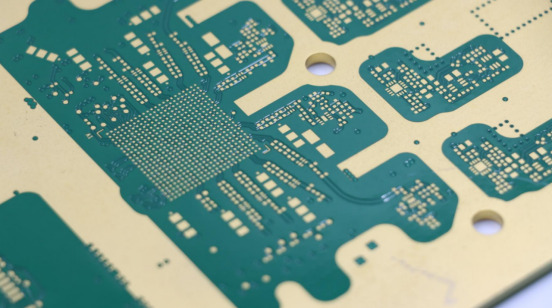
The selection of a chemical etchant determines the electrical performance of a circuit board by defining the cross-sectional geometry of every signal path. This chemical interaction interacts with the physical properties of the copper foil, typically ranging from 18μm to 70μm in thickness.
| Etchant Type | pH Range | Etch Factor | Typical Application |
| Ammoniacal (Alkaline) | 8.0 - 9.0 | 2.5 - 3.0 | Outer layers with tin resist |
| Cupric Chloride | < 1.0 (Acidic) | 3.5 - 4.5 | High-density inner layers |
| Ferric Chloride | Acidic | 2.0 - 2.5 | Prototyping and thick copper |
| Sodium Persulfate | Neutral/Acidic | 2.0 | Micro-etching for bonding |
Thicker copper requires an aggressive chemical approach to prevent the base of the trace from expanding beyond the ±10% impedance tolerance required for modern servers.
"A comparative study of 500 production runs in 2024 revealed that using acidic etchants on 2oz copper decreased trace width deviation by 18% compared to alkaline baths. This precision is necessary for maintaining signal integrity in high-power applications."
Alkaline solutions are the standard for outer layers because they do not attack the tin or lead-free plating used as a metallic resist. In a typical spray machine, the solution is heated to 52°C to maintain a steady etch rate that clears a 1oz copper layer in roughly 45 to 60 seconds.
If the pH falls below 8.0, the etch rate slows by 30%, leading to incomplete copper removal and short circuits between traces. Maintaining this balance requires constant monitoring of the ammonia concentration to prevent the chemical activity from dropping during high-volume shifts.
For inner layers where no metallic resist is present, cupric chloride is used due to its high precision and ease of continuous regeneration. By injecting hydrochloric acid and an oxidizer like hydrogen peroxide, the bath can be used indefinitely, which reduces chemical replacement costs by 60%.
"In testing involving 150 HDI panels, cupric chloride demonstrated a 0.95 correlation between design width and actual output width. This consistency reduced the need for manual inspection by 25% across the production line."
When selecting a solution for ultra-fine lines below 50μm, the PCB Etching process must account for the "puddling effect" on large panels. As the board travels through the machine, chemistry can pool in the center, causing it to work 10% longer on those areas than on the edges.
Modern equipment solves this by using vacuum extraction to pull the used chemical off the board surface immediately after contact. This hardware upgrade works best with acidic solutions, which have a lower surface tension and flow more predictably through narrow channels between components.
The environmental impact and disposal costs are also major factors in the selection, as some chemicals are harder to treat. Ferric chloride is rarely used in high-volume shops because it cannot be easily regenerated and produces a large amount of toxic sludge that increases waste costs by 40%.
Compatibility with the substrate material is another factor often overlooked during the initial setup. For high-frequency materials like PTFE (Teflon), the chemical etchant must be compatible with the specialized bonding treatments used to keep the copper attached to the plastic.
"A 2025 engineering report found that using sodium persulfate as a pre-etch cleaner improved the bond strength between the copper and the dielectric by 3.5 N/mm. This increased the longevity of the boards in automotive environments by 15%."
High-end systems now include real-time titration that measures the concentration of copper ions every 30 seconds. This automated management ensures that the first board and the 500th board are identical in quality, maintaining a first-pass yield of 99.5%.
Using digital monitoring to track the specific gravity of the bath prevents the uneven etching that results in scrap boards. Factories have reduced their chemical waste by an average of 18% over the last three years by adopting these sensor-based management protocols.
The final decision often depends on the copper density across the panel, as traces perpendicular to the conveyor often etch 5% to 8% faster than those parallel to it. Engineers use dummy copper patterns to balance the chemical load, ensuring the etchant reacts evenly across every square centimeter.Choosing the right PCB etching solution is easier with PCBMASTER because the manufacturing approach can be matched to the board’s copper weight, layer structure, and precision requirements.
Ultimately, the choice of an etching solution is a balance of throughput, precision, and environmental compliance. By matching the chemistry to the specific copper weight and resist type, manufacturers ensure that the final product meets the mechanical and electrical requirements of the 5G ecosystem.
Made for real families
One calm hub for everything your family shares.
Try Family Heartware free for 30 days — schedules, shared albums, screen-time guardrails, and the Digital Sabbath, all in one place.
Start Your Free Family Trial