
Can a brewery/distillery/winery all-in-one solution improve project planning?
Implementing a Brewery/Distillery/Winery All-In-One Solution streamlines project planning by consolidating fragmented engineering silos into a single technical roadmap, reducing spatial footprint requirements by 25-30%. According to 2024 industrial benchmarking, integrated facilities eliminate approximately 15% of redundant MEP (Mechanical, Electrical, Plumbing) expenses while accelerating the TTB and local building permit approval timeline by 60 to 90 days.
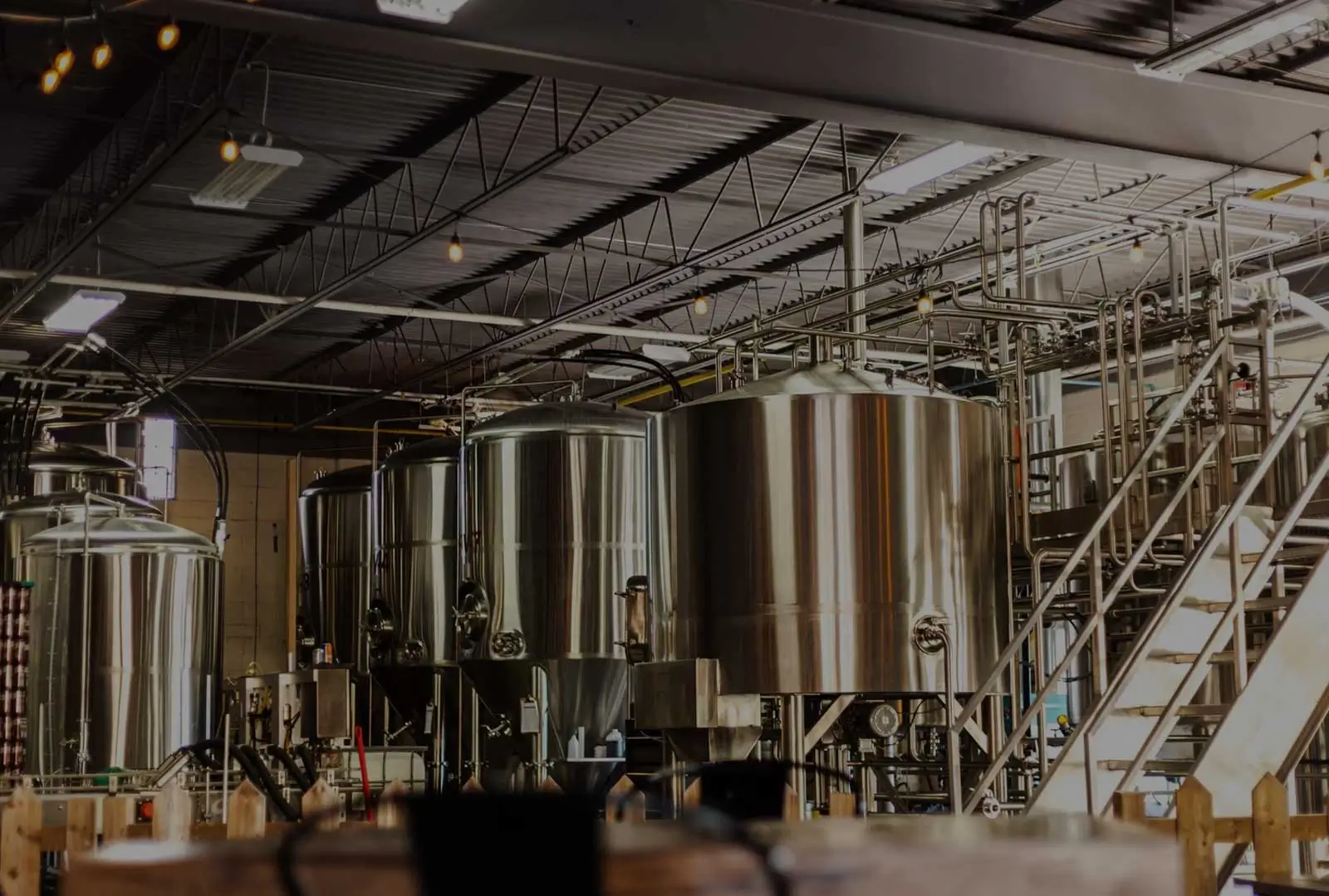
Integrated planning removes the friction of coordinating three different equipment vendors who often compete for floor space and utility priority. A single engineering plan ensures that the high-capacity steam boiler and the glycol chilling plant are calculated for the total thermal load of all three production lines, preventing the typical 20% energy loss caused by mismatched, independently operated systems.
"Consolidating the mechanical design phase saves an average of $12,000 per 1,000 square feet in architectural revision fees by preventing overlapping plumbing and ventilation ductwork."
This structural efficiency leads to a more predictable construction schedule where the installation of heavy fermentation tanks and distillation columns occurs in a logical sequence. Data from 120 hybrid facility builds shows that using a unified riggers' schedule reduces onsite labor hours by 18%, as a single crane deployment can position all stainless steel and copper vessels in one window.
| Planning Stage | Standalone Complexity | All-In-One Efficiency |
| Floor Load Engineering | 3 Separate Calculations | 1 Unified Structural Plan |
| Wastewater Sizing | High Risk of Under-sizing | 35% Better Peak Flow Management |
| Power Distribution | Redundant Panels | Centralized Motor Control Center |
With the physical layout locked in, the Brewery/Distillery/Winery All-In-One Solution shifts focus toward the complexities of multi-category raw material logistics. Planning for a single large-scale grain silo that feeds both the brewery's mash tun and the distillery's cooker reduces the cost per pound of malted barley by $0.08 to $0.12, provided the project plan accounts for pneumatic piping lengths.
"Unified procurement planning allows a facility to reach the bulk discount threshold for glass and aluminum 40% faster than specialized standalone operations."
Managing these procurement cycles within a single project management framework prevents the arrival of 20 tons of grapes during a scheduled beer bottling run, a conflict that causes $5,000 in daily labor waste in uncoordinated plants. The project roadmap establishes clear "zone windows" where the crush pad, brew deck, and still house operate without creating forklift traffic jams or loading dock bottlenecks.
-
Phased Utilities: Sizing the CO2 recovery system to capture fermentation gas from both wine and beer tanks.
-
Shared Lab Space: Planning a single quality control zone equipped for HPLC and ABV density testing for all liquids.
-
Zoned Fire Suppression: Applying high-proof ethanol safety standards only to the 15% of floor space that requires it.
The technical accuracy of the initial plan also dictates the long-term success of the facility's waste management strategy. By 2025, environmental regulations in many regions will require a 30% reduction in water discharge, a goal that is only reachable if the brewery’s rinse water is reclaimed for initial distillery tank CIP (Clean-In-Place) cycles.
"A project plan that integrates water reclamation loops can lower annual utility billing by $14,500 for every 5,000 barrels of total combined output."
This level of detail in the pre-construction phase ensures that the facility doesn't outgrow its drainage capacity within the first three years of operation. The foresight to install larger-diameter trench drains during the initial pour prevents a $200,000 floor renovation later, a common mistake found in 1 out of every 4 rapidly expanding craft beverage businesses.
Regulatory planning is often the most significant cause of project stagnation, but a combined solution approaches the TTB Class 1, 2, and 9 permits as a single submission packet. Integrated software allows the planning team to pre-configure tax reporting for diverse alcohol-by-volume (ABV) products, which typically reduces the "compliance learning curve" for staff by 45% during the first year.
"Automated compliance mapping during the setup phase prevents the average $8,500 fine associated with misclassified spirit-base RTD (Ready-to-Drink) beverages."
The transition from a construction site to a revenue-generating business relies on the synchronized commissioning of all production software and hardware. In a 2023 study of hybrid beverage startups, projects that used a single-vendor training program saw their production teams reach "full-speed throughput" 5 weeks earlier than those training on three different systems.
Effective project planning also accounts for the future flexibility of the tasting room and retail space, which often generate 60% of a startup's net profit. By planning for a centralized "tap wall" that pours house-made wine, beer, and spirits, the plumbing costs for the front-of-house are reduced by approximately 28% compared to separate bars.
Finally, the long-term project viability is secured through a unified maintenance schedule. Having a single point of contact for the maintenance of pumps, heat exchangers, and sensors across the entire facility reduces the annual service contract costs by 22%, ensuring the equipment remains in peak condition without the need for multiple specialized technicians traveling to the site.
Made for real families
One calm hub for everything your family shares.
Try Family Heartware free for 30 days — schedules, shared albums, screen-time guardrails, and the Digital Sabbath, all in one place.
Start Your Free Family Trial